Promptwatch vs Profound: Which AI Visibility Platform Fits Your Team?

As AI-powered search becomes mainstream, businesses are asking a new question: How do we measure our visibility in AI-generated answers?
That question has given rise to a new category of tools — AI visibility platforms. Two names that frequently come up are Promptwatch and Profound. Both help brands understand Generative Engine Optimization (GEO) and how they appear across AI platforms like ChatGPT, Gemini, Claude, and Perplexity.
But they take different approaches — making them suitable for different teams and goals.
If you're evaluating AI visibility software, this guide will help you understand where each platform shines, where they differ, and what you should look for before making a decision.
Why AI Visibility Matters
AI assistants are rapidly becoming a starting point for product discovery, software evaluation, and purchase research. Instead of scrolling through pages of search results, users now ask:
- "What's the best CRM for small businesses?"
- "Recommend a project management tool for remote teams."
- "Which cybersecurity certification should I pursue?"
These platforms don't return a list of links. They generate answers. If your brand isn't part of those answers, you're missing a growing discovery channel.
That's why AI visibility has become a key metric alongside traditional SEO — and why the gap between impressions and clicks is growing every quarter. Users are getting answers directly from AI, often without clicking through to any website.
Promptwatch at a Glance
Promptwatch is one of the most recognised names in the AI visibility category. It focuses on helping brands monitor how they appear across AI-generated responses and track changes over time.
Its biggest strength is prompt monitoring. Teams can evaluate how different AI models respond to specific prompts and identify whether their brand is being mentioned.
Promptwatch is a good fit for organisations that want to:
- Monitor brand mentions across AI platforms
- Track visibility trends over time
- Measure AI search performance at the prompt level
- Benchmark against competitors
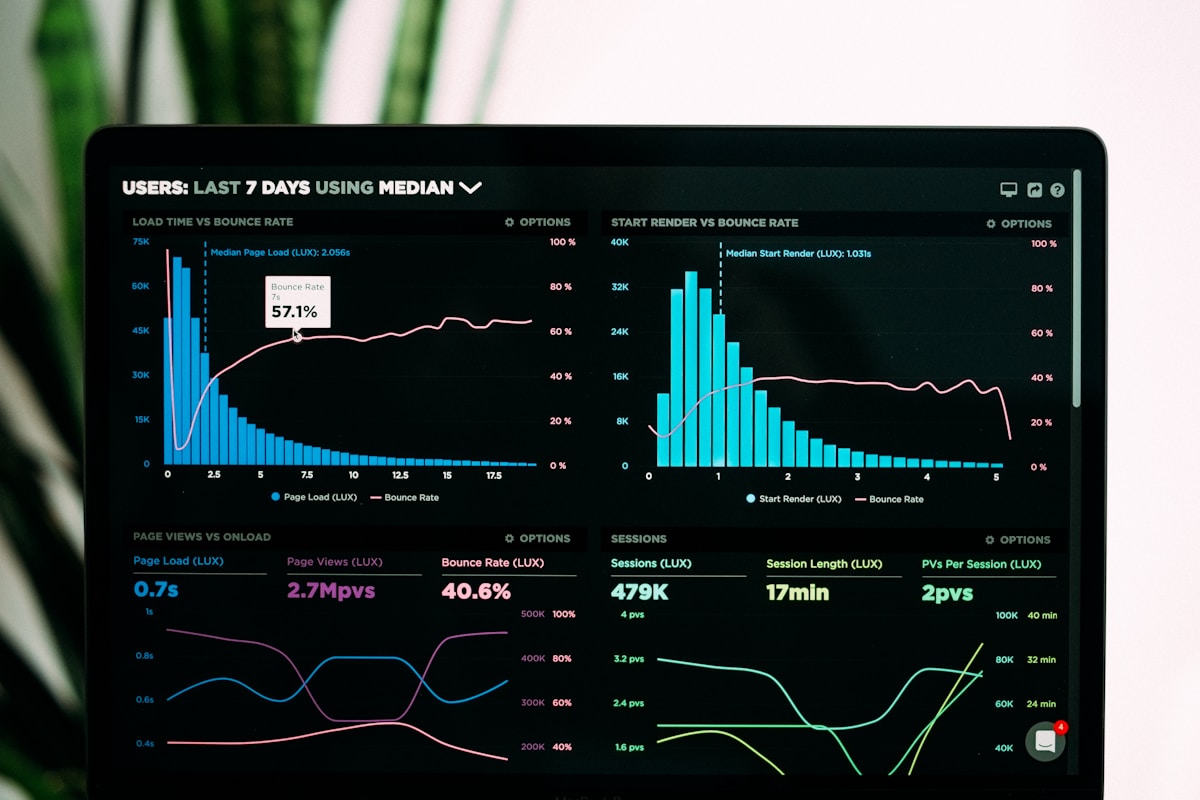
For many enterprise teams, it serves as an AI visibility dashboard that complements existing SEO reporting.
Profound at a Glance
Profound approaches AI visibility from an enterprise perspective. The platform helps organisations understand brand presence across multiple AI engines while providing reporting and competitive intelligence for larger marketing teams.
Its strengths include:
- Enterprise-grade reporting
- Brand visibility monitoring at scale
- Competitive benchmarking
- Executive-friendly dashboards
Profound is particularly suited for companies that need centralised reporting across large teams and stakeholders. If visibility data needs to reach the C-suite in a digestible format, Profound is built for that workflow.
Promptwatch vs Profound: The Biggest Differences
Although both platforms belong to the same category, they solve slightly different problems.
Promptwatch focuses heavily on tracking AI-generated responses and understanding prompt-level visibility. It's ideal for teams that want to monitor how AI models answer specific questions over time — including how those answers shift as models are updated.
Profound, on the other hand, is built with enterprise visibility in mind. It emphasises reporting, competitive benchmarking, and executive insights — making it a strong choice for organisations managing AI visibility at scale across multiple brands or business units.
If your primary goal is measurement, both platforms provide valuable visibility data. But visibility data alone isn't always enough to drive action.
This is where teams using either platform often run into the same wall.
The Question Most Teams Forget to Ask
Most AI visibility platforms answer one question well: "Did our brand appear?"
Very few answer the next question: "Why did our brand appear — or why didn't it?"
Knowing that your brand wasn't mentioned in a particular AI response is useful. Knowing which customer questions you're missing, which competitors dominate those conversations, and what content should be created next is significantly more valuable.
This is where visibility monitoring evolves into visibility intelligence — and where LLM seeding and Answer Engine Optimization come into play. These disciplines aren't just about tracking where you appear — they're about systematically improving why and how often you appear.
The Query Fan Layout: A Better Way to Think About AI Visibility
Most buyers don't ask a single question before making a decision. Their search journey expands outward like a fan.
Imagine someone evaluating marketing automation software. They might begin with:
Core Query
- Best marketing automation software
Comparison Queries
- HubSpot alternatives
- Mailchimp vs ActiveCampaign
Problem Queries
- Marketing automation for small businesses
- Why are my email open rates dropping?
Context Queries
- Marketing automation pricing
- Marketing automation for remote teams
Recommendation Queries
- Which marketing automation tool does ChatGPT recommend?
This branching search journey is what we call the Query Fan Layout. Instead of tracking one keyword or one prompt, it maps the entire ecosystem of related questions, comparisons, problems, and buying signals across the full buyer journey.
This helps marketing teams understand:
- Where their brand appears across the full query spectrum
- Where competitors dominate the conversation
- Which questions customers are asking that the brand isn't answering
- Which content opportunities are being missed
- How AI visibility shifts as the buyer moves toward a decision
Rather than simply reporting visibility, it explains the reasons behind it — and points directly to what should be done next.
Which Platform Is Right for Your Team?
Choose Promptwatch if you:
- Want prompt-level AI visibility monitoring
- Need to track brand mentions across AI platforms
- Want to measure how AI responses change over time
Choose Profound if you:
- Need enterprise reporting and dashboards
- Want executive-ready competitive benchmarking
- Require visibility tracking across multiple brands or business units
Consider EnGenius if you want to go beyond monitoring.
EnGenius combines AI visibility tracking with Query Fan Layout analysis — helping teams understand not just where they appear, but why they appear, what customers are asking next, and where new content opportunities exist.
For content teams, SEO professionals, and growth marketers, this turns AI visibility into an actionable strategy rather than a reporting exercise. You can see how EnGenius compares to other tools in the category and understand why the approach matters at this stage of the market.
How to Choose an AI Visibility Platform
Before selecting a platform, ask these questions:
- Does it only track AI mentions, or does it explain visibility gaps? Tracking is table stakes. Diagnosis is where the value is.
- Can it identify competitor strengths and weaknesses? You need to know not just where you are, but where others are winning.
- Does it uncover new content opportunities? The best AI visibility tools point to what you should create next.
- Can it map customer intent across the buying journey? A single prompt isn't the whole picture.
- Will it help improve future visibility — not just report current performance? Backwards-looking dashboards are useful. Forward-looking intelligence is transformative.
The best AI visibility platform isn't necessarily the one with the most dashboards. It's the one that helps your team make better decisions.
Frequently Asked Questions
What is the difference between Promptwatch and Profound?
Promptwatch focuses on prompt-level AI visibility monitoring — tracking how AI models respond to specific queries and whether your brand is mentioned. Profound is more enterprise-oriented, offering competitive benchmarking, multi-brand tracking, and executive dashboards. Both measure AI visibility but serve different team sizes and workflows.
Is AI visibility monitoring the same as SEO?
No, but they are complementary. Traditional SEO focuses on search engine rankings, while AI visibility monitoring tracks how your brand appears in AI-generated responses from platforms like ChatGPT, Perplexity, and Gemini. As AI Overviews and zero-click searches grow, AI visibility is becoming an equally important metric.
How do I improve my brand's AI visibility?
Improving AI visibility involves building topical authority, earning third-party mentions, creating comparison and FAQ content, and ensuring your brand messaging is clear and consistent. Tools like EnGenius help identify exactly where your visibility gaps are and what content to create to close them. See our guide on how to get your brand cited by ChatGPT for a practical framework.
What is the Query Fan Layout?
The Query Fan Layout is a methodology for mapping the full range of questions a buyer asks across their discovery journey — from core category queries to comparison searches, problem queries, and recommendation prompts. Rather than tracking a single keyword, it shows the entire conversation landscape your brand needs to participate in to build AI visibility.
Which AI platforms should I monitor for brand visibility?
The most important platforms to monitor currently are ChatGPT, Google Gemini, Perplexity, Microsoft Copilot, and Claude. Each has different training data, retrieval mechanisms, and update frequencies, which means your brand may appear differently across them. Beyond Google covers why monitoring across all these platforms matters.
Do I need an AI visibility tool if I already use SEO tools?
Yes — SEO tools measure rankings and traffic from traditional search engines, but they don't capture how your brand appears in AI-generated answers. As more users start their research with AI assistants rather than search engines, this gap in measurement becomes a gap in strategy. AI visibility tools fill that blind spot.
Final Thoughts
The AI visibility market is evolving quickly, and platforms like Promptwatch and Profound are helping businesses understand a completely new layer of search performance.
But as the category matures, marketers will need more than visibility reports. They'll need context. They'll need intent. They'll need to understand how customer questions evolve from discovery to decision — and how to position their brand at every step of that journey.
That's why the future of AI visibility isn't just about tracking prompts. It's about understanding the entire conversation behind them.
As AI continues to reshape search, the winning platforms will be those that help brands move from visibility monitoring to visibility intelligence.
Want to see how your brand appears across AI-generated answers? Explore EnGenius →